Azoospermia Treatment in Khyber Pakhtunkhwa: Causes, Diagnosis and Treatment Options
Azoospermia can be a difficult diagnosis for any man, particularly for couples who have been trying to conceive for months or years. In simple terms, azoospermia means that no sperm are detected in the semen. But receiving this diagnosis does not necessarily mean that a man cannot become a biological father.
In Khyber Pakhtunkhwa, specialist services for male infertility and andrology are available, particularly in Peshawar. The Institute of Kidney Diseases (IKD), Hayatabad Medical Complex, has a dedicated Andrology team, headed by Dr. Mir Abid Jan, providing specialist care for male infertility and related conditions.
The important thing is to identify why sperm are absent from the semen because treatment depends on the underlying cause.
What Is Azoospermia?
Azoospermia is a condition in which sperm are not found in a man’s ejaculate.
It is different from a low sperm count. A man with a low sperm count still has sperm in his semen, while azoospermia means sperm cannot be detected.
A doctor may recommend repeating a semen analysis before confirming the diagnosis. This helps ensure that the result is accurate and that very small numbers of sperm have not been overlooked.
Once azoospermia is confirmed, a specialist usually investigates whether the problem is related to sperm production or a blockage in the reproductive tract.
Types of Azoospermia
There are two main types of azoospermia.
Obstructive Azoospermia
In obstructive azoospermia, the testicles may still be producing sperm, but sperm cannot travel into the semen because of a blockage.
Possible causes include previous infections, surgery, congenital problems or blockages affecting the reproductive ducts.
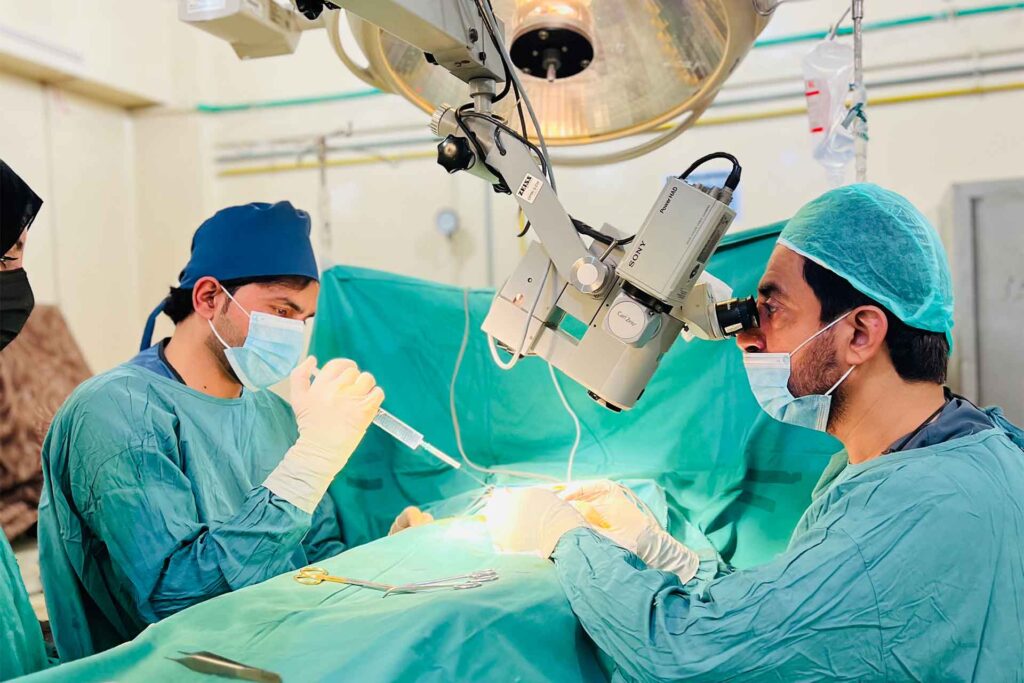
This type of azoospermia may sometimes be treated through microsurgical procedures. In selected cases, sperm can also be retrieved directly and used for assisted reproductive treatment.
Non-Obstructive Azoospermia
Non-obstructive azoospermia is associated with severely reduced or absent sperm production.
Possible causes include hormonal problems, genetic factors, testicular conditions, previous chemotherapy or radiation, infections and other medical conditions.
Treatment can be more complicated in these cases, but some men may still have areas of sperm production within the testicles.
What Causes Azoospermia in Men?
Azoospermia can have several causes, which is why every patient needs an individual assessment.
Some common factors include:
- Hormonal disorders
- Genetic conditions
- Testicular problems
- Previous infections
- Reproductive tract obstruction
- Previous surgery
- Varicocele
- Certain medications or medical treatments
- Previous chemotherapy or radiation
Lifestyle factors can also affect overall male reproductive health, although lifestyle changes alone cannot correct every case of azoospermia.
Symptoms of Azoospermia
Many men with azoospermia do not experience obvious symptoms.
A man may have normal sexual function and ejaculation while having no sperm in his semen. In some cases, symptoms may be associated with the underlying condition rather than azoospermia itself.
For this reason, couples experiencing difficulty conceiving should not assume that fertility problems are always related to the woman.
A semen analysis is one of the first important investigations for assessing male fertility.
How Is Azoospermia Diagnosed?
Diagnosis normally begins with a detailed medical history, physical examination and semen analysis.
Depending on the initial findings, a specialist may recommend:
- Repeat semen analysis
- Hormonal tests
- Scrotal ultrasound
- Genetic testing
- Evaluation of the reproductive tract
- Other specialized investigations
The objective is to determine whether sperm are being produced but blocked from reaching the semen or whether sperm production itself is impaired.
This distinction is extremely important because obstructive and non-obstructive azoospermia may require completely different treatment approaches.
Azoospermia Treatment in Khyber Pakhtunkhwa
Treatment depends on the cause.
1. Medical Treatment
If hormonal problems are affecting sperm production, treating the underlying hormonal disorder may help in selected patients.
However, men should not start testosterone or fertility medicines without medical supervision. Testosterone therapy, in particular, can suppress sperm production in some men.
2. Surgical Treatment
When a blockage is responsible for azoospermia, microsurgical treatment may sometimes be considered.
The exact procedure depends on where the obstruction is located and whether sperm production is otherwise normal.
Specialist andrology services are particularly important in these cases because the goal is not simply to treat the blockage but also to preserve or restore fertility where possible.
3. Sperm Retrieval
Some men with azoospermia may have sperm inside the testicles even though sperm are absent from the ejaculate.
Specialists may therefore consider surgical sperm retrieval in appropriate cases.
If usable sperm are obtained, they may potentially be used with assisted reproductive techniques such as ICSI.
IVF and ICSI for Azoospermia
For some couples, assisted reproductive technology may become part of the treatment plan.
ICSI (intracytoplasmic sperm injection) involves injecting a single sperm directly into an egg during an IVF procedure.
This can be particularly relevant when only a small number of sperm are available through surgical retrieval.
Fertility treatment should be planned for the couple as a whole because the woman’s age, ovarian reserve and other fertility factors can also influence the recommended approach.

Azoospermia Treatment in Peshawar
Peshawar is an important medical centre for patients from across Khyber Pakhtunkhwa, including areas where specialist male infertility services may not be readily available.
The Institute of Kidney Diseases at Hayatabad Medical Complex has a dedicated Andrology service. Its current schedule lists Dr. Mir Abid Jan as Head and Assistant Professor of Andrology.
Dr. Mir Abid Jan also practices through Mir Institute of Fertility & Urology in Dabgari Garden, Peshawar.
Mir Institute Of Fertility & Urology
4.4•Medical clinic•ClosedWebsite
•Directions
•0334 9138381
For patients looking for male infertility evaluation in KP, seeing an andrologist or urologist with experience in male infertility can help determine which tests and treatment options are appropriate.
How Much Does Azoospermia Treatment Cost in KPK?
There is no single fixed price for azoospermia treatment in Khyber Pakhtunkhwa.
The cost depends on the patient’s diagnosis and the treatment required.
For example, expenses may include:
- Consultation
- Semen analysis
- Hormone testing
- Ultrasound
- Genetic testing
- Surgical treatment
- Sperm retrieval
- IVF or ICSI
A patient who only requires diagnostic testing will have very different costs from someone who requires surgery and assisted reproductive treatment.
Therefore, it is better to get a personalized treatment plan and cost estimate after diagnosis.
Can Azoospermia Be Treated?
In some cases, yes.
The possibility of treatment depends primarily on the underlying cause.
Obstructive azoospermia may sometimes be treated surgically. Certain hormonal conditions may respond to appropriate medical treatment. In other cases, sperm retrieval and assisted reproductive techniques may provide an option for biological fatherhood.
Research from an andrology clinic in Khyber Pakhtunkhwa has reported the use of medical treatment, microsurgical procedures and assisted reproductive approaches in the management of male subfertility.
Therefore, men should not assume that an azoospermia diagnosis automatically means there are no treatment options.
When Should You See an Andrologist?
If a semen analysis shows no sperm, it is advisable to consult a qualified urologist or andrologist rather than relying only on supplements or home remedies.
Early specialist evaluation can help determine:
- Whether azoospermia is genuinely present
- Whether the condition is obstructive or non-obstructive
- Whether a hormonal problem is involved
- Whether sperm retrieval could be possible
- Whether surgical treatment may help
- Whether IVF/ICSI should be considered
Final Thoughts
Azoospermia can be emotionally challenging, but it should not automatically be considered the end of a couple’s fertility journey.
For men in Khyber Pakhtunkhwa, specialist andrology services are available in Peshawar, including the dedicated Andrology service at the Institute of Kidney Diseases, Hayatabad Medical Complex.
The most important step is to identify the cause before choosing treatment. Depending on the diagnosis, options can include medical treatment, microsurgery, sperm retrieval or assisted reproductive techniques.
If you are searching for azoospermia treatment in KPK or Peshawar, consult a qualified male infertility specialist for an individualized evaluation rather than choosing treatment based solely on online information.